
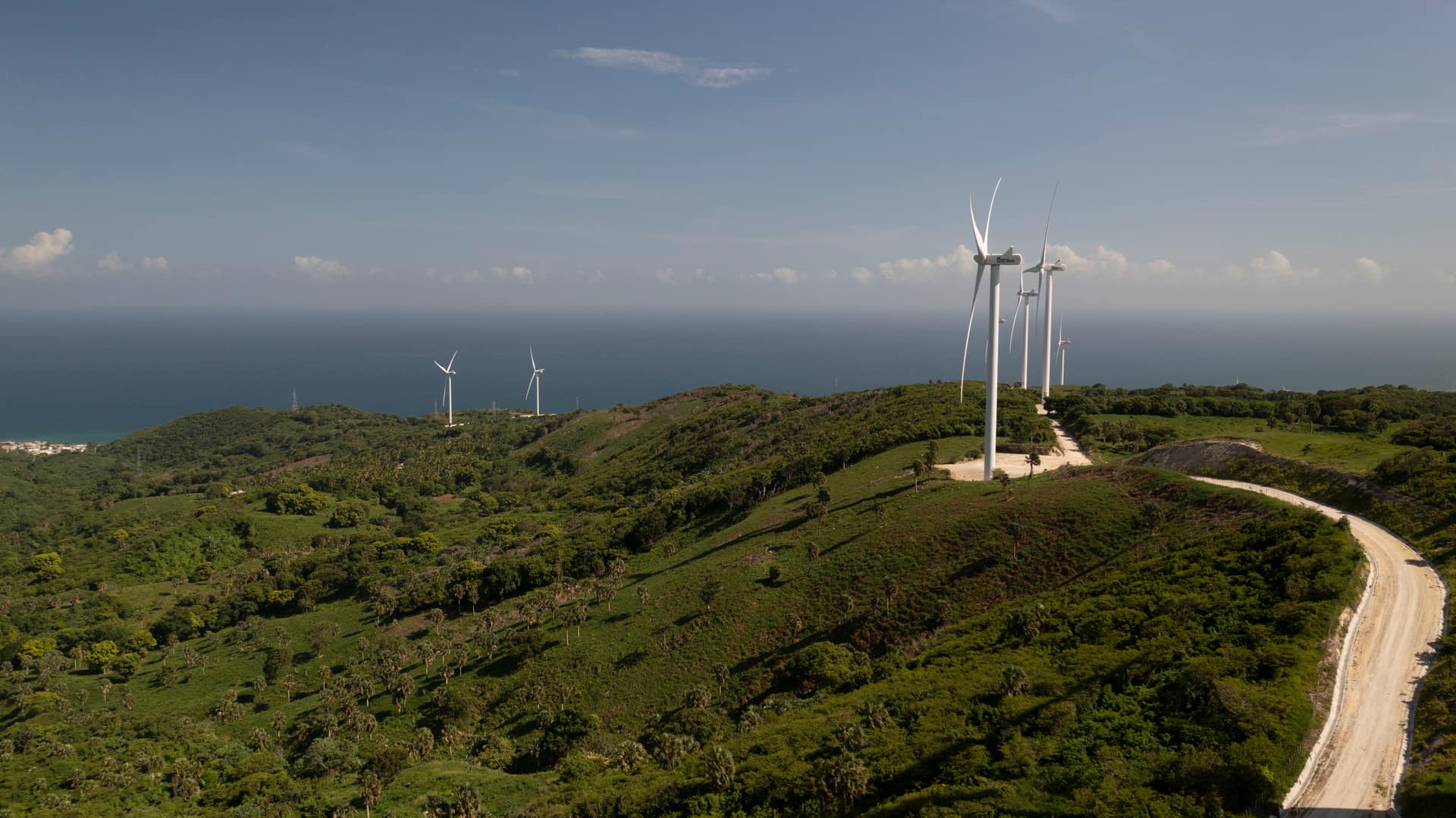
Not all drone inspections are the same. There is a huge difference between sending a pilot to fly a drone around a turbine or a bridge taking photos at will, and running an inspection with an automated system: a pre-programmed flight path that repeats exactly, and an artificial-intelligence analysis that classifies every finding. For the asset owner, that difference means reliable data, less risk, and decisions they can defend. This guide compares both approaches and explains the real advantages of the automated system.
What is a 'traditional' drone inspection?
In the traditional approach, a pilot flies the drone manually and decides on the spot which angles and distances to shoot from. Quality depends entirely on the operator's skill, eyesight and fatigue that day. Two inspections of the same turbine — or the same blade six months later — are rarely identical, which makes it very hard to compare how a defect is progressing over time. And to get close enough, the pilot often operates near the structure, with the risk that entails.
What is an automated inspection system?
An automated system flies a pre-programmed, georeferenced path: the drone positions itself in front of each point of interest, shoots from the same distance and angle on every visit, and covers 100% of the surface without relying on the pilot's steady hand. The images are processed with an AI model that detects, locates and classifies defects by severity. The output is not a pile of loose photos, but a structured report — compatible with industry formats like bladeO — that any engineer can audit.
Head-to-head comparison
| Criterion | Traditional drone (manual) | Automated system |
|---|---|---|
| Flight planning | Improvised, up to the pilot | Programmed path, repeatable to the meter |
| Surface coverage | Variable; risk of missed areas | 100% guaranteed across all 3 blades / whole structure |
| Time per turbine | 45–60+ min | 20–25 min |
| Consistency between inspections | Hard to replicate | Identical and comparable over time |
| Defect detection | Manual visual review, subjective | AI classifies and ranks by severity |
| Risk to personnel | Pilot operating near the structure | Autonomous operation, zero personnel at height |
| Deliverable | Loose, unstructured photos | Severity-ranked, traceable report (bladeO) |
The real advantages of the automated system
- Repeatability: because every visit follows the same path, you can overlay today's inspection with the one from six months ago and see exactly how much a crack grew. That is impossible with different manual flights.
- Guaranteed coverage: the path covers 100% of the blades or the structure. No 'I missed that area' and no blind angles hiding damage that later becomes an emergency shutdown.
- Safety: the drone positions itself and holds fixed distances. Personnel don't have to approach the structure or rely on rope access or cranes for routine reviews.
- Speed: less time per asset means fewer turbine downtime hours and more assets inspected per day.
- Objective data: AI doesn't get tired or have a bad day. It detects, locates and ranks the defect by severity with the same criteria on every blade, removing the subjectivity of the human eye.
- Traceability: the structured report lets you prioritize repairs by urgency, plan maintenance and back up decisions to management or the insurer.
When does manual flying still make sense?
Let's be honest: manual flying isn't dead. For a quick, one-off check — confirming a reported defect, documenting an isolated event, or inspecting a very irregular geometry where programming a route isn't worth it — an experienced pilot does the job well and with less setup. The problem shows up when you need to compare over time, cover many assets, or stand behind the accuracy: there, the automated system wins hands down.
Manual flying gives you photos; the automated system gives you a comparable data series — so you can tell whether damage is growing before it becomes a failure.
At Dronematic we run inspections with autonomous flights and AI classification: 100% blade coverage in 20–25 minutes per turbine, severity-ranked reports compatible with bladeO, and zero personnel at height for routine reviews. If you operate turbines, power lines or critical infrastructure in the Dominican Republic, we can prepare an inspection proposal for your site.


